
Addiction is a complex and multifaceted experience that cannot be fully understood through any single lens. It can be shaped by trauma, attachment experiences, emotional distress, neurobiology, social environments and the ways people learn to cope with pain.
For therapists and counsellors, developing a deeper understanding of addiction means looking beyond the behaviour itself and becoming curious about the needs, experiences and circumstances that may lie beneath it. Whether you work directly with clients experiencing addiction or encounter addictive behaviours as part of broader therapeutic work, continuing to learn about this area can enrich your clinical practice.
The following ten books offer a range of perspectives, from attachment theory and neuroscience to motivational interviewing, harm reduction and lived experience.
Together, they invite us to approach addiction with greater compassion, curiosity and clinical understanding, while challenging stigma and supporting more collaborative, person-centred approaches to recovery.
Learn more about this topic in our online CPD workshop: *Understanding & Working with Addiction in Therapy* with Sarah Pennock on Saturday 6th February 10am – 4pm.
In this brand-new workshop for Brighton Therapy Partnership our trainer Sarah Pennock, will help you reframe everything you thought you knew about addiction and unlock a powerful relational approach to transform your therapeutic work.
1. In the Realm of Hungry Ghosts: Close Encounters with Addiction, by Gabor Maté
Drawing on his experience working with people experiencing addiction, Gabor Maté explores the complex relationship between childhood trauma, emotional pain and addictive behaviours. He challenges the idea that addiction is simply a matter of choice or willpower, instead highlighting the role of early experiences, unmet emotional needs and disconnection. This book offers therapists a compassionate, trauma-informed perspective on understanding addiction and the people affected by it.
2. Addiction as an Attachment Disorder, by Philip Flores
Philip Flores explores addiction through the lens of attachment theory, proposing that difficulties in forming and maintaining healthy relationships can play a significant role in addictive behaviours.
He examines how early relational experiences, emotional regulation and interpersonal difficulties contribute to addiction, and how the therapeutic relationship can become an important part of recovery. Particularly valuable for therapists interested in psychodynamic and relational approaches to addiction.
3. The Biology of Desire: Why Addiction Is Not a Disease, by Marc Lewis
Neuroscientist and former addict Marc Lewis offers an alternative perspective on addiction, challenging the traditional disease model.
Drawing on neuroscience, psychology and personal accounts, he explores how addictive behaviours develop through learning, habit formation and changes in the brain. This book encourages therapists to consider addiction as a complex developmental process rather than a fixed condition, opening up different ways of understanding change and recovery.
4. Unbroken Brain: A Revolutionary New Way of Understanding Addiction, by Maia Szalavitz
Maia Szalavitz challenges conventional understandings of addiction, drawing on neuroscience, developmental psychology and her own experience of addiction. She presents addiction as a learning and developmental disorder, highlighting the importance of trauma, individual differences and the social environment.
The book encourages professionals to move beyond stigma and simplistic explanations, towards more individualised, compassionate and evidence-informed approaches to treatment.
5. Chasing the Scream: The First and Last Days of the War on Drugs, by Johann Hari
Johann Hari investigates the history of the war on drugs and explores the social, political and psychological dimensions of addiction. Through stories of individuals, families and communities, he challenges common assumptions about drug use, dependence and recovery.
The book offers a broader understanding of the social conditions surrounding addiction, including isolation, trauma, stigma and the importance of human connection.
6. Motivational Interviewing: Helping People Change, by William R. Miller and Stephen Rollnick
A foundational resource for practitioners, this book introduces Motivational Interviewing, a collaborative, person-centred approach that helps people explore and resolve ambivalence about change. Miller and Rollnick provide practical guidance on developing therapeutic relationships, strengthening motivation and supporting clients in identifying their own reasons for change. Particularly relevant when working with addiction, where clients may experience conflicting feelings about their substance use or readiness to make changes.
7. Drinking: A Love Story, by Caroline Knapp
In this deeply personal memoir, Caroline Knapp explores her relationship with alcohol and her journey through addiction and recovery. With honesty and insight, she examines the emotional needs, insecurities and relational patterns that shaped her drinking, as well as the challenges of learning to live without alcohol. For therapists, this book offers a valuable first-person perspective on the subjective experience of addiction, helping to deepen empathy and understanding of the emotional complexities behind problematic drinking.
8. Treating Addiction: A
This practical and comprehensive guide offers therapists and other professionals an overview of evidence-based approaches to treating substance use disorders. It explores assessment, treatment planning, motivational approaches, behavioural interventions and strategies for supporting long-term recovery. Particularly useful for practitioners looking to strengthen their clinical knowledge and develop a more structured understanding of addiction treatment across different therapeutic settings.
9. Practicing Harm Reduction
Denning and Little present a compassionate, non-judgemental approach to working with people experiencing difficulties with substance use. Grounded in harm reduction principles, the book challenges abstinence-only models and encourages therapists to meet clients where they are, respecting their autonomy and individual goals.
This book offers practical clinical guidance for supporting safer choices, reducing harm and building therapeutic relationships without making abstinence a condition of receiving help.
10. Over the Influence: The Harm
This accessible guide introduces harm reduction as an alternative to traditional abstinence-based approaches, supporting people to make informed decisions about their drug and alcohol use.
Denning and Little offer practical tools for understanding patterns of use, setting personal goals and making changes at an individual’s own pace. For therapists and counsellors, it provides useful insights into approaches that prioritise client autonomy, self-awareness and realistic, achievable steps towards healthier relationships with substances.
Upcoming Workshop with Sarah Pennock
Learn more about this topic in our online CPD workshop: *Understanding & Working with Addiction in Therapy* with Sarah Pennock on Saturday 6th February 10am – 4pm.
In this brand-new workshop for Brighton Therapy Partnership our trainer Sarah Pennock, will help you reframe everything you thought you knew about addiction and unlock a powerful relational approach to transform your therapeutic work.
Drawing on Attachment Theory and relational psychotherapy, we will explore how addictive behaviours can emerge as ways of managing emotional experience when relational safety has been limited, inconsistent, or overwhelming.
Through clinical discussion and case material, we will consider how addiction functions: as emotional regulation, as protection from vulnerability, as a substitute for connection. The day will also explore how addictive patterns become embedded within couple dynamics, and the implications this has for therapeutic work.
Click here to book your spot for this training.
Join our Therapy Community on Facebook
Brighton Therapy Partnership has a private Facebook Group for therapists which might be of interest to you if you are on social media? We currently have over 2,9k members. You will need to answer all 3 Joining Questions and agree to the Group Rules to join the Group!
Click Here to Join *The Therapy Partnership* Facebook Group – Be Part of the Therapy Community!
* There are affiliate links in this post, if you buy a book using one of these affiliate links we will get a very small fee. It all helps! Thank you!
Latest Courses

Transference and Countertransference
Unlock the hidden power of transference and countertransference and discover how these fascinating unconscious dynamics can transform your clinical work, with Victoria Settle. Friday 6th November 2026. Online CPD Training…
Intrusive Thoughts: A Treatment Guide
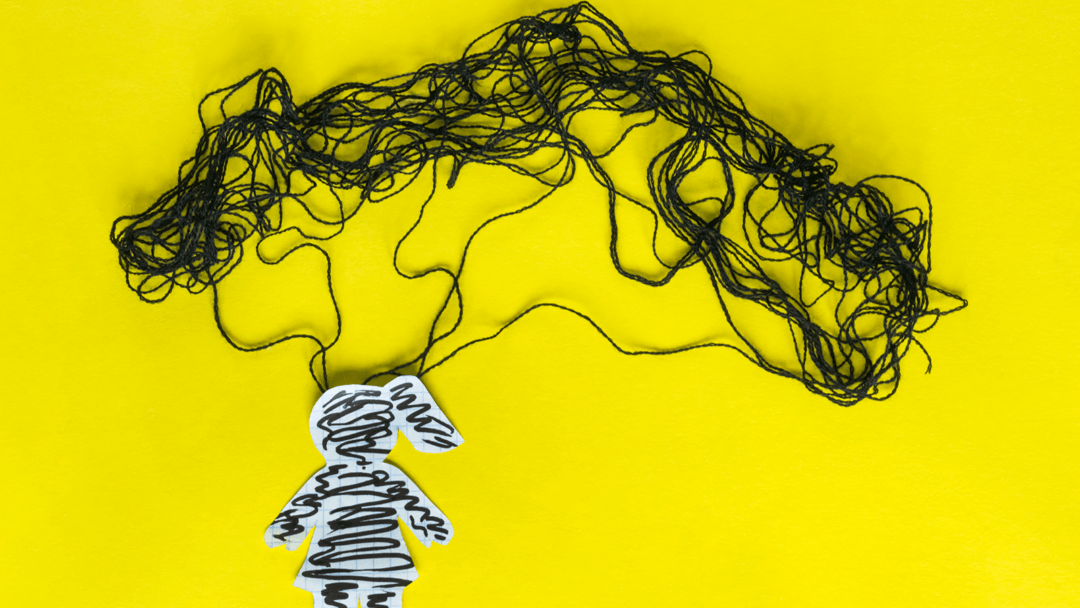
Deepen your understanding and therapeutic approach to intrusive thoughts across OCD, anxiety and trauma, transforming your confidence and clinical skills in supporting clients. Saturday 28th November 2026. ONLINE CPD Training…
Understanding & Working with Addiction in Therapy
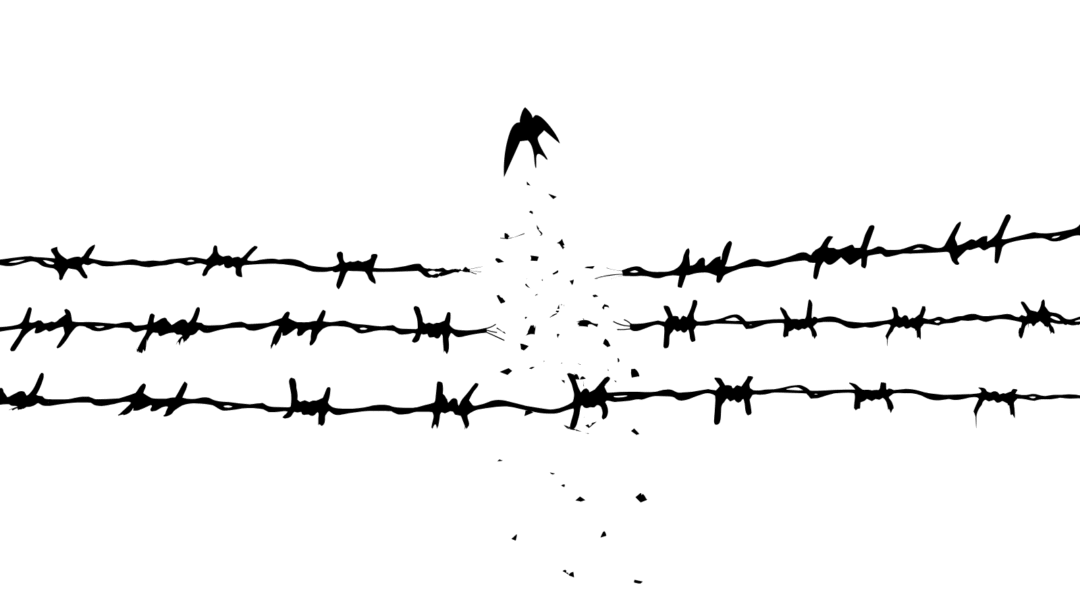
Reframe everything you thought you knew about addiction and unlock a powerful relational approach to transform your therapeutic work, with Sarah Pennock. Saturday 6th February 2027. Online CPD Training for…
Get 20% off your first workshop
Join the BTP mailing list and receive a 20% discount code for your first booking — plus early access to new events, blogs & articles, CPD resources, and insights from our expert trainers, straight to your inbox. No spam. Unsubscribe any time.
Therapy Education Online
ThEO is part of Brighton Therapy Partnership
Many of Brighton Therapy Partnership's live events are uploaded to our online library, Therapy Education Online (ThEO).
Therapy Education Online brings the very best of counselling and psychotherapy training to a global audience.
See the full library of training courses through the link below.
Get 20% off your first workshop
Join the BTP mailing list and receive a 20% discount code for your first booking — plus early access to new events, blogs & articles, CPD resources, and insights from our expert trainers, straight to your inbox. No spam. Unsubscribe any time.
Therapy Education Online
ThEO is part of Brighton Therapy Partnership
Many of Brighton Therapy Partnership's live events are uploaded to our online library, Therapy Education Online (ThEO).
Therapy Education Online brings the very best of counselling and psychotherapy training to a global audience.
See the full library of training courses through the link below.
Before submitting, please take note of our community guidelines.